


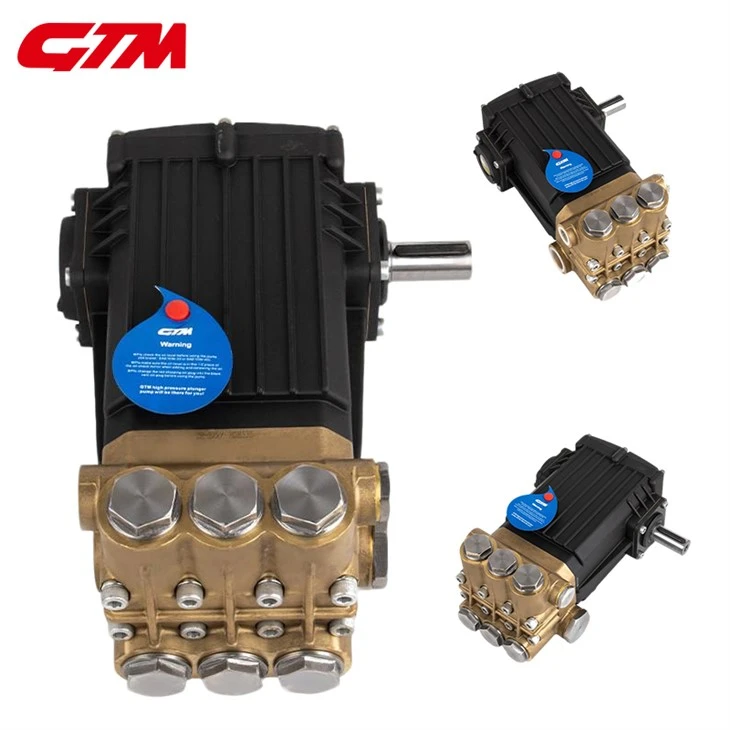
Plunger Hydraulic Pump
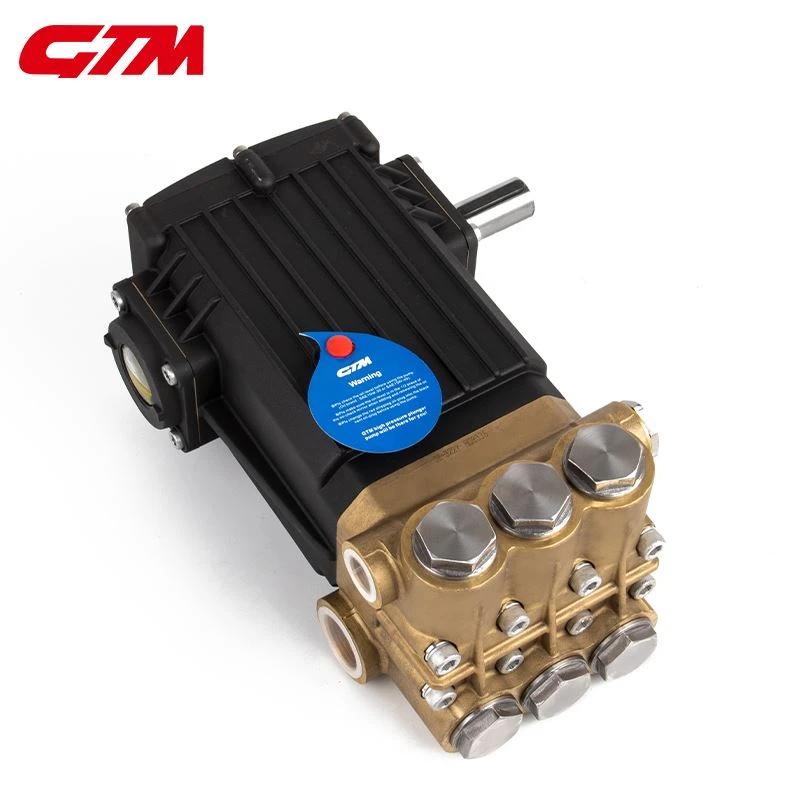
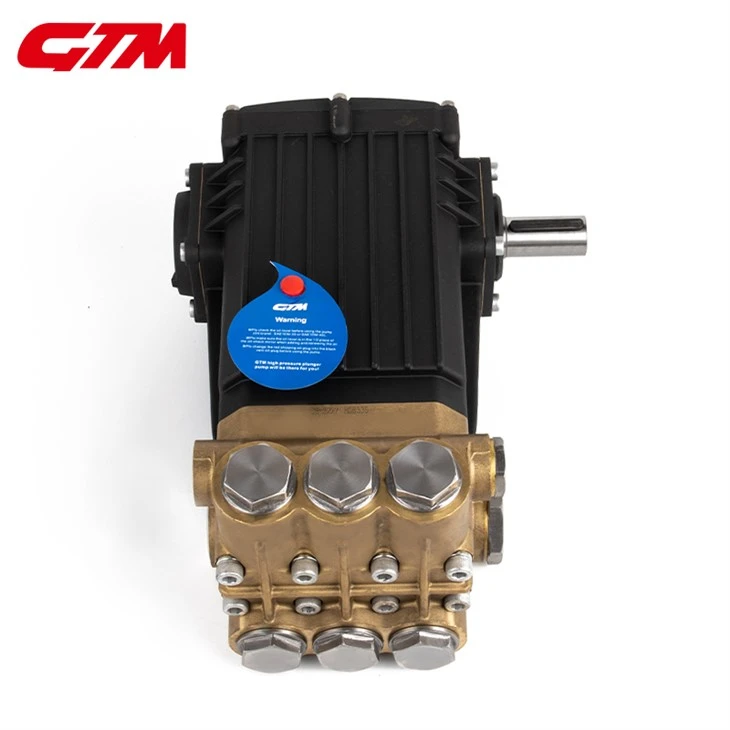
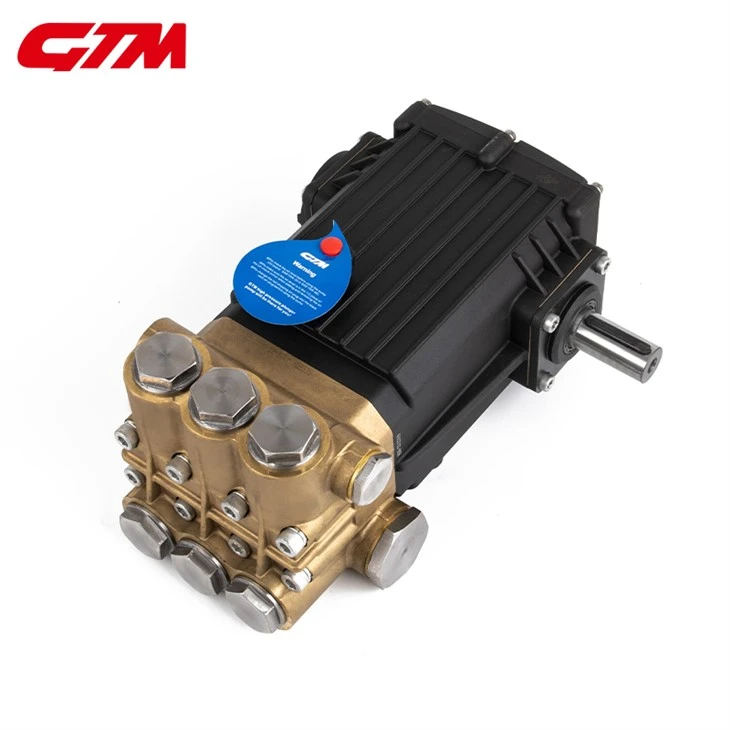
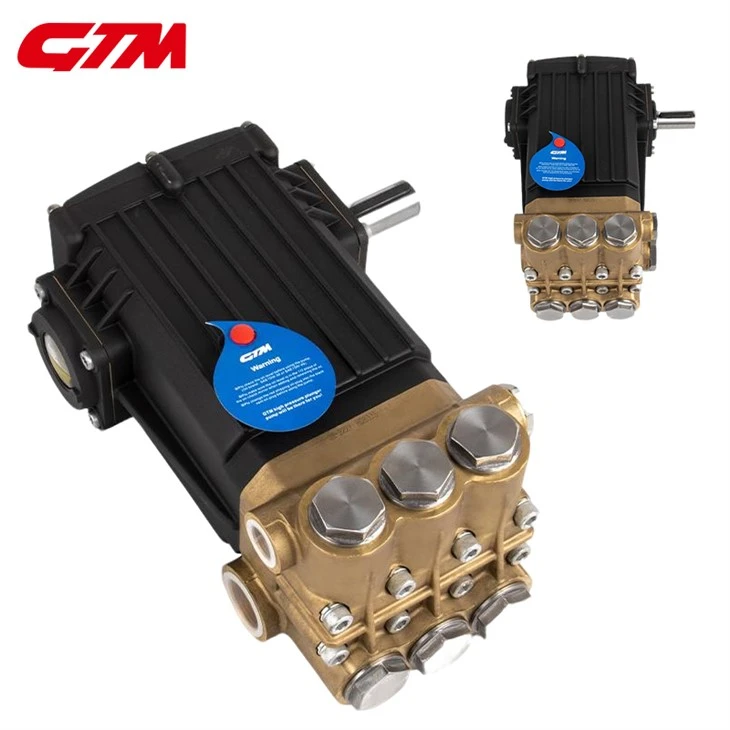
GTM Plunger Hydraulic Pump is a positive-displacement pump designed to deliver high-pressure hydraulic fluid at controlled flow rates.
Description
GTM Plunger Hydraulic Pump is a positive-displacement pump designed to deliver high-pressure hydraulic fluid at controlled flow rates.
Technical Specifications
GTM Plunger Hydraulic Pump is available across a 24–61 cm³/rev displacement range, with rated continuous pressure up to 350 bar / 5,000 PSI and maximum pressure up to 420 bar / 6,000 PSI. Specific displacement, speed, flow, power, shaft, mounting, and control configurations vary by pump model.
|
Parameter |
Specification |
|
Pump Type |
Positive-Displacement Hydraulic Plunger Pump |
|
Displacement |
24–61 cm³/rev |
|
Rated Continuous Pressure |
Up to 350 bar / 5,000 PSI |
|
Maximum Pressure |
Up to 420 bar / 6,000 PSI |
|
Maximum Speed |
Up to 2,700 RPM |
|
Theoretical Flow Rate |
Up to 135 L/min / 35.7 GPM* |
|
Input Power |
Up to 63 kW / 84 HP |
|
Torque at Rated Pressure |
Up to 349 Nm |
|
Rotation Direction |
Clockwise / Counterclockwise |
|
Mounting |
SAE flange mounting |
|
Shaft Configuration |
SAE keyed or splined shaft |
|
Port Configuration |
SAE flange or tube connections |
|
Main Port Location |
Side or end ported |
|
Control |
Pressure compensation / pressure and flow compensation |
|
Hydraulic Fluid |
Mineral hydraulic oil |
|
Drive Configuration |
Direct drive / auxiliary drive, where configured |
Key Features
High-Pressure Plunger Pump Construction
The positive-displacement plunger design delivers a defined fluid volume per shaft revolution for high-pressure hydraulic service.
Rigid Pump Housing
The rigid housing supports the internal pumping assembly and maintains the required structural support around the pressure-bearing components.
Precision Plunger Assembly
Precision-machined plungers and mating components provide controlled chamber displacement during each pumping stroke.
Displacement and Speed Matching
The available displacement range allows pump output to be matched to the required flow by selecting the appropriate displacement and shaft speed.
Drive Interface Compatibility
SAE shaft and mounting configurations provide defined mechanical interfaces for coupling the pump with compatible prime movers.
Hydraulic Port Integration
Inlet, outlet, drain, and control connections can be arranged to match the hydraulic circuit and available installation space.
Controlled Pressure and Flow Performance
The pump's displacement and shaft speed establish its theoretical flow, providing a defined basis for hydraulic circuit sizing.
Applications
Construction Machinery
Used in excavators, loaders, lifting equipment, and other construction machinery where hydraulic cylinders and motors require high-pressure fluid delivery.
Agricultural Machinery
Used in tractors, harvesting equipment, implements, and other agricultural machinery with hydraulically operated lifting, steering, and auxiliary functions.
Industrial Machinery
Used in hydraulic presses, forming equipment, production machinery, and automation systems requiring controlled hydraulic flow and pressure.
Mobile Equipment
Used in mobile hydraulic equipment where pump displacement, operating speed, and installation dimensions must be matched to variable working conditions.
Hydraulic Power Units
Integrated into HPUs to supply pressurized hydraulic fluid to cylinders, motors, valves, and other downstream hydraulic components.
Hydraulic Integration Capability
GTM hydraulic plunger pumps are engineered for integration into different hydraulic systems, with pump specifications matched to equipment requirements and application conditions.
Drive Interface Matching
Shaft interface requirements
Rotation arrangement
Drive speed matching
Power transmission conditions
Hydraulic Circuit Compatibility
Pressure and flow demands
Hydraulic connection arrangement
Control circuit requirements
Installation limitations
Equipment Integration Requirements
Mounting interface requirements
Mechanical connection layout
Hydraulic line arrangement
Equipment operating conditions
Application Data Assessment
Equipment drawings
Hydraulic system diagrams
Operating conditions
Existing application data
Pump Configuration Options
The pump configuration is defined by the hydraulic circuit and mechanical interface of the equipment.
Displacement & Pressure: Configured around required flow, continuous pressure, and peak pressure.
Shaft & Drive: Shaft size, key/spline configuration, and rotation matched to the drive system.
Mounting Interface: Flange, pilot, and bolt pattern adapted to the equipment interface.
Hydraulic Ports: Connection type, size, location, and orientation specified for the hydraulic circuit.
Control Configuration: Pressure or pressure-and-flow compensation available where supported by the pump series.
OEM Integration: Pump configuration reviewed against equipment drawings, existing pump data, and installation requirements.
Quality Control Process
GTM Pump controls key machining, assembly, and testing processes that affect pump performance.
Component Machining: Critical pump components are machined according to specified dimensional requirements.
Dimensional Control: Shaft, mounting, port, and critical mating dimensions are inspected against production drawings before assembly.
Assembly Inspection: Component configuration, sealing elements, shaft assembly, and connections are verified during assembly.
Performance Testing: Pump pressure, flow, rotation, and leakage are checked during production testing before final release.
Final Inspection: Product configuration, identification, and external condition are verified before shipment.
Why Choose GTM
28+ Years of Manufacturing Experience
Established in 1997, GTM has specialized in high-pressure plunger pumps and related equipment for more than 28 years.
Dedicated Pump Manufacturing
GTM focuses on high-pressure pump production with in-house engineering, manufacturing, assembly, and inspection capabilities.
80+ Patents & 90+ Product Models
GTM has developed more than 90 product models across its high-pressure pump and equipment portfolio and holds 80+ patents related to product and equipment development.
20,000㎡ Production Facility
GTM operates a 20,000㎡ production facility supporting pump manufacturing and related equipment production.

FAQ
Hot Tags: plunger hydraulic pump, China plunger hydraulic pump manufacturers, suppliers, factory
Send Inquiry
You Might Also Like


